The Shared Table After Play: Where the Custom Comes From
The shared table after play turns a match into a club day, carrying local food, volunteer habits, and easy conversation beyond the final whistle.
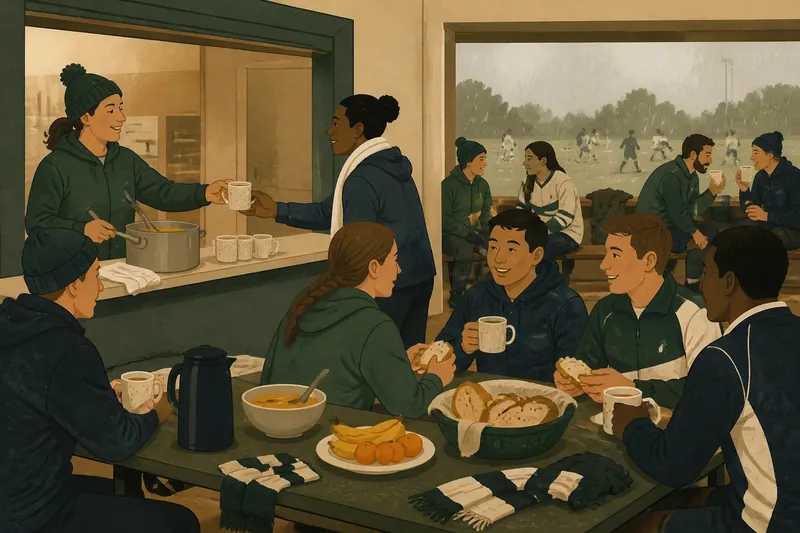
The common mistake is to treat the meal after sport as an optional extra, separate from the match; that misses how the shared table after play can turn a fixture into a club day. A muddy field or a borrowed gym may host the contest, but the kitchen, clubhouse counter, or picnic bench is where people linger long enough to become familiar.
More than a meal
Across many sporting cultures, eating together after play is less a formal ritual than a useful continuation. Players have already shared effort, attention, and a result. Food gives that shared time an ordinary next chapter: someone pours tea, a teammate passes bread, and the conversation loosens from tactics to rides home and weekend errands.
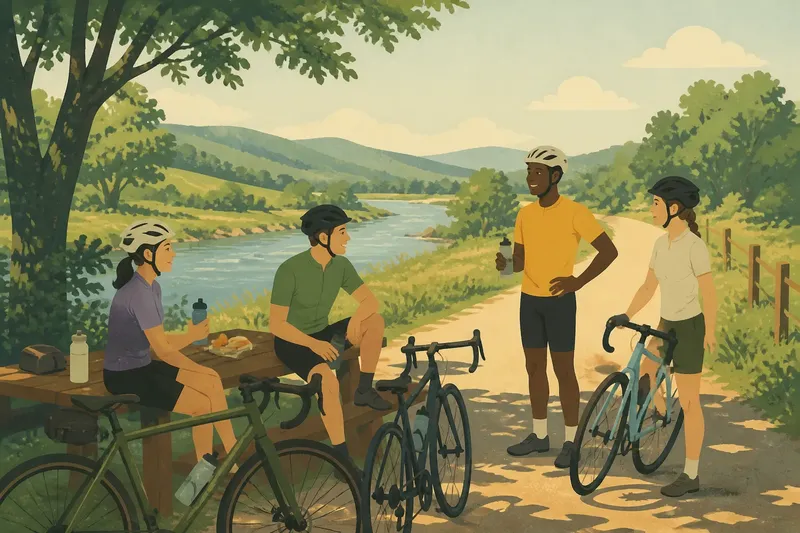
The custom need not involve a banquet. A thermos and sandwiches beside a trail, soup in a small club room, or fruit passed around after a community game can do the same social work. What matters is the unhurried pause and the invitation to stay, including for people who were not on the field.
Borrowed rooms, local habits
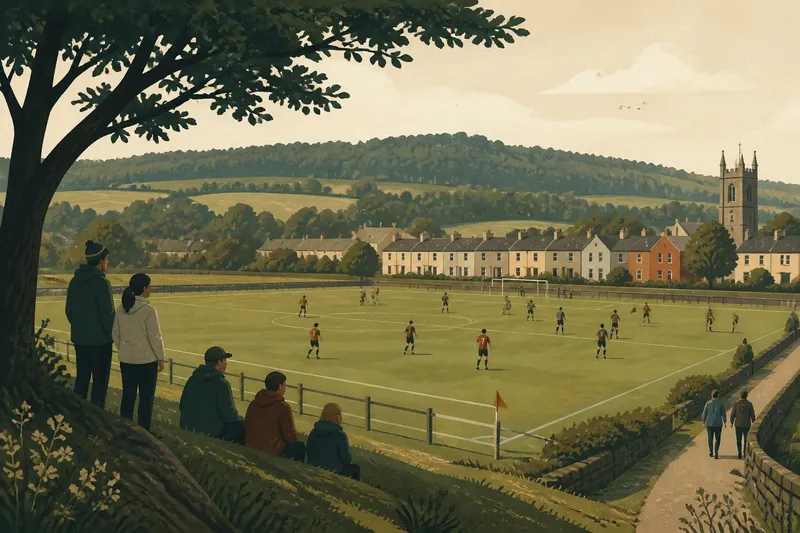
Where a club gathers shapes what its table looks like. A village cricket pavilion may have a hatch facing the ground; a neighborhood basketball group might use a community-center kitchen; a rowing club can have benches near the water where damp jackets steam while people eat. These settings make hospitality visible and practical.
Local food often arrives through habit rather than a written menu. Families bring something familiar, a volunteer keeps a kettle ready, or a nearby shop supplies bread for a shared spread. The menu can change with climate, religion, season, and the people who happen to belong to the club. The custom is not a single dish but the repeated act of making room for others.
A folding table is a little like a campfire: people gather around it because it gives them a shared center, not because it is elaborate. At a club, that center can be a serving counter or even a tailgate. Its modest scale is part of the appeal; nobody needs to wait for a special occasion.
Work behind the welcome
Food after sport can look spontaneous while depending on quiet labor. Someone brings cups, wipes the counter, checks who can stay, and remembers that a visiting team may need a place to sit. Clubs often distribute these tasks among players, families, volunteers, and staff, though the pattern varies from one community to another.
That labor can also reveal who feels included. A table set only for the starting lineup sends one message; an open room where substitutes, younger players, supporters, and visiting opponents can join sends another. Small gestures—clear signs about ingredients, a water jug within reach, or a chair pulled into the circle—make welcome concrete without turning it into a performance.
What the gathering carries
The post-play table gives a club a place to pass along its unwritten customs. New members learn who washes the mugs, which corner gets noisy, and how the group marks a close match. Older members can tell stories, but ordinary repetition does just as much: arriving, helping, eating, and staying for a little conversation.
It can soften the boundary between competition and community, too. A score may divide opponents for the duration of play; sharing a room afterward lets them meet as people with common needs—warmth, food, and a chance to talk. That does not erase rivalry. It gives rivalry somewhere to settle.
Say a local hockey club finishes a wet evening match and the clubhouse has only a narrow counter. A volunteer puts out mugs and a pot of lentil soup, while players invite the visiting side to sit on the benches. The expected result is not a new tradition by decree, but a familiar, observable one: people stay long enough to exchange names and talk beyond the score.
Questions around the table?
Why do clubs eat after games?
Eating together extends the time people spend in one another’s company after shared effort. It also gives newcomers, supporters, and opponents a low-pressure setting for conversation.
Does the meal need to be organized?
No; some gatherings are planned, while others grow from a kettle, snacks, or food brought by members. The defining feature is the shared pause, not a formal program.
What foods belong at a post-game table?
There is no universal menu: local ingredients, weather, club facilities, and members’ needs all shape what appears. Familiar, easy-to-share food often fits the custom better than a dish chosen to impress.
How do visitors join in?
A clear invitation and a place to sit are often enough to make the welcome legible. If food is shared, simple information about ingredients and serving arrangements can help guests decide what suits them.
A custom in motion
As clubs change, the table changes with them. A group may shift from a staffed room to a picnic shelter, or replace a cooked meal with packed snacks when training schedules grow tight. The useful question is not whether a gathering matches an old image of club life, but whether it still creates room for people to meet after play.
That is the lasting appeal of the shared table after play: it makes belonging something people can practice in small, visible ways. A cup handed across a counter or a bench cleared for a guest can carry the custom forward, even when the menu and venue keep changing.