Morning Light or Late Light for a Day Outdoors
Morning light or late light can shape an outdoor day’s comfort and pace; learn how to time activity, shade, meals, and pauses around daylight.
The most common mistake in planning a day outdoors is treating daylight as a block of usable hours. That can leave an early group hungry before the outing gathers pace, or send a late-starting crew into the brightest, least comfortable part of the day. Morning light or late light is not just a choice between an alarm and a lie-in; it is a way to give the day a rhythm that suits the place and the people in it.
For an outdoor game, a long walk, or an informal training session, the useful question is not simply when the sun rises or sets. Ask what the light will be doing during the demanding parts, where the group can pause, and how much energy people are likely to have at each point. Once those pieces fit together, the clock becomes a planning tool rather than a contest.
Read the daylight
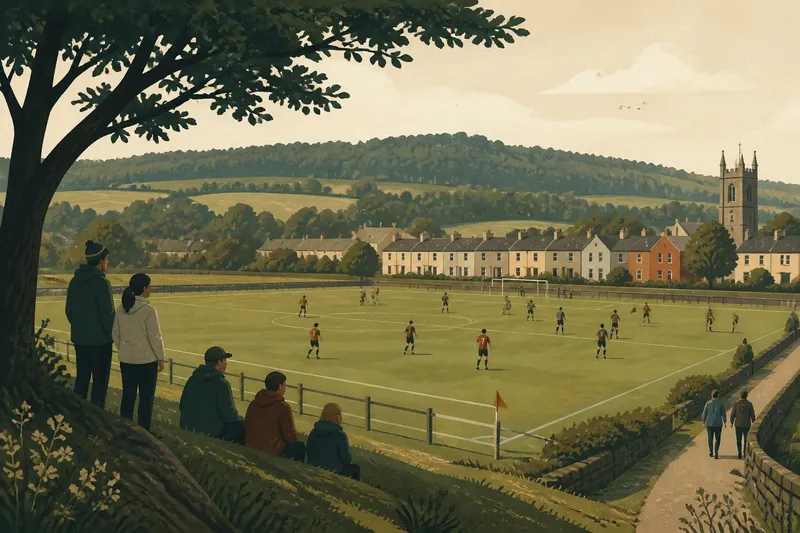
Morning light and late light feel different because light, temperature, and daily routines move together. Early hours often begin with cooler air and a quieter setting. Later hours can bring softer light and an easier transition into dinner or an evening gathering, but the day may already have asked a lot of the body.
These are tendencies, not promises. A cloudy morning can feel dim and damp; an open, breezy afternoon may be more comfortable than a still morning. Local conditions matter more than the romantic image of golden light. Check a reliable local forecast and the day’s sunrise and sunset times, then look beyond them: hills, trees, buildings, and the direction of the activity can alter when a spot receives direct sun.
Think of daylight like a table lamp you can’t move: the room’s layout determines which corner it reaches. A field beside a tall stand of trees may lose useful light earlier than an open promenade nearby. A route that turns toward the sun can feel exposed even when the air is mild. A map, a local venue page, or a quick look at the site can help you spot these differences before choosing a start.
Set the day’s anchor
Begin with the part of the outing that matters most. If the main activity needs attention, coordination, or sustained effort, plan for it when the group is likely to feel ready and the setting is comfortable. Put less demanding pieces around that anchor: a leisurely arrival, gentle warm-up, scenic stretch, or unhurried meal.
An early start can work well when a route is exposed, a venue becomes busy later, or the group prefers to finish with time left in the day. It asks for more than an earlier alarm. People need a realistic arrival window, a place to gather, and a plan for breakfast or a snack. Rushing through the first part of the morning can make an outing feel hurried before it has properly begun.
A later outing may suit people who need time to travel, eat, or settle into the day. It can also give a group a gentler start and leave the evening free for a meal together. The trade-off is that the central activity may land during the strongest sun or compete with fading light. If the outing is long, it helps to plan a substantial pause before the most exposed stretch rather than waiting until everyone is already worn down.
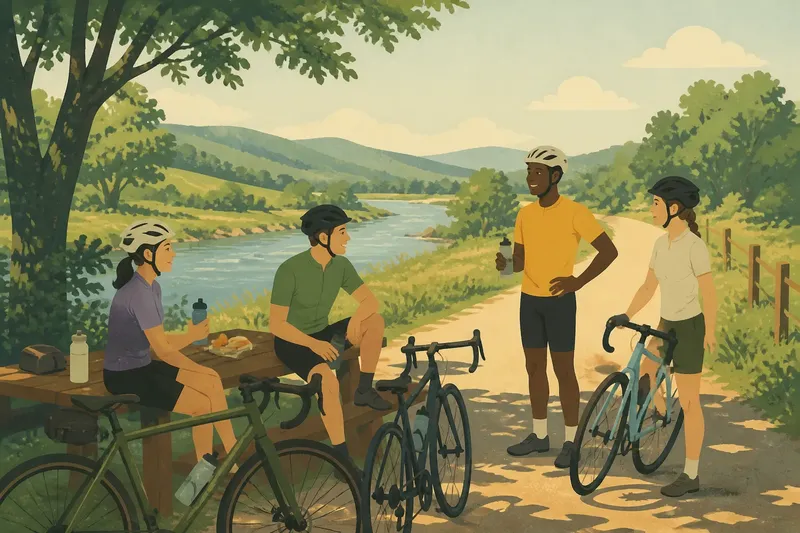
Say you are arranging an invented day of casual cycling with friends on a route that has a sunny open section and a shaded riverside path. You could plan a morning departure, ride the open section first while the group is fresh, then pause in the shade for food before taking the riverside return at an easy pace. The expected observable result is a schedule with the exposed effort placed early and a clear resting point built in, rather than a last-minute scramble to find shade.
Shape the pauses
Pauses are not empty gaps between activities. They are what make the day’s pace sustainable, especially when participants have different fitness levels, ages, or travel routines. A short stop can reset the group; a longer one can become part of the outing’s pleasure. The right length depends on the activity and conditions, so use how people are responding rather than a rigid timetable.
Choose pauses with a purpose. A shady bench, covered pavilion, café terrace, or sheltered section of a park can make a useful place to drink, eat, check the route, or wait for someone who needs a gentler pace. If the venue has limited facilities, identify a practical stopping point in advance. A rest beside an exposed road may technically be a pause but still leave everyone uncomfortable.
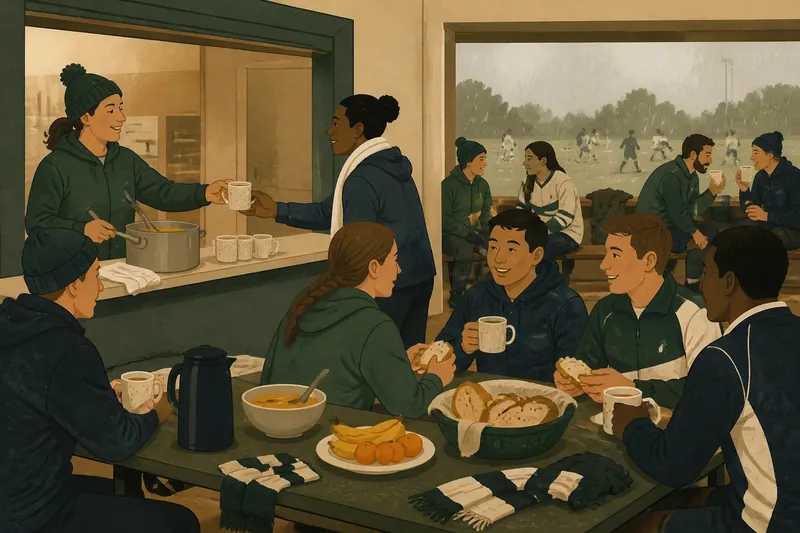
Meals also set the rhythm. An early outing may need a simple bite before departure and a more satisfying meal afterward. With a later start, a normal lunch may do the work of both breakfast and pre-activity fuel, but a small snack can still help if the main activity begins well after eating. Keep the food plan familiar and adaptable; an elaborate meal schedule can create more pressure than the outing deserves.
- Choose a meeting point that is easy to reach before the main activity.
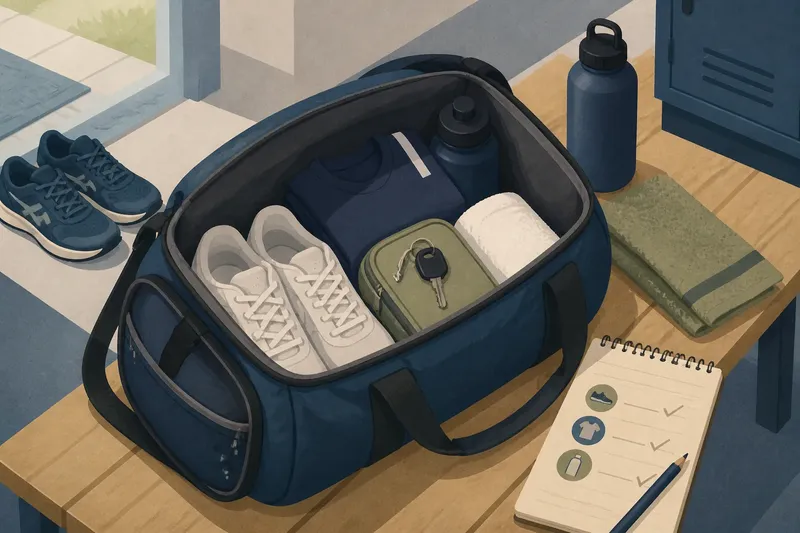
- Leave room for people to arrive, change, and settle without a rushed start.
- Place a pause near shade, shelter, seating, or a dependable water source.
- Keep the most demanding segment away from the day’s least comfortable conditions where possible.
- Agree on a simple signal for shortening the outing if the group’s energy or the weather changes.
- Leave enough daylight for the return, including the slower pace of a tired group.
Choose your light?
Is morning or afternoon better for outdoor exercise?
Neither is best for everyone. Choose the window that fits the activity, local conditions, and the group’s usual energy, then place the harder portion where people are most likely to feel comfortable.
How do I plan around strong sun?
Look for shaded routes or covered rest points and avoid placing the most exposed effort at the most uncomfortable part of the day when you have a choice. Bring water and sun protection suited to the outing, and adjust the plan if conditions call for it.
What if the group prefers different start times?
Set one shared meeting window and make the opening portion low-pressure, so late arrivals do not miss the central activity. If the group’s needs are too different, agree on a shorter shared outing rather than asking everyone to force the same pace for a full day.
How much daylight should I leave for the return?
Allow a buffer rather than planning to finish at the edge of sunset. The return can take longer than the outward part when people are tired, a route is unfamiliar, or a pause runs long.
Make the timing flexible
A schedule is most useful when it can bend without falling apart. Decide which part is essential and which parts can move. If a morning is unusually cold, delay the start or begin with a sheltered warm-up. If the afternoon turns hotter or cloudier than expected, shorten the exposed portion and use a cooler, shaded place for the rest.
For outdoor sport, check venue opening hours and any rules that affect access or lighting. A public park, waterfront path, and club ground can have very different rhythms, even in the same town. Where a label, venue guidance, local rule, or manufacturer’s instructions determine what is allowed or appropriate, follow that specific guidance.
It also helps to treat the group’s energy as information. A quiet walk may suit a leisurely late start, while a session requiring sharp concentration may be easier to enjoy before a full day of travel and errands. Neither preference needs to become a virtue or a test of commitment. The best timing is the one that lets people take part without making the clock the main event.
When deciding between morning light or late light, start with the activity’s hardest moment, then work backward to a sensible arrival, meal, and pause. Check how the actual location receives sun, leave room for the return, and keep one part of the plan easy to change. That small bit of flexibility can turn a rigid timetable into a day that still feels good when the weather, pace, or group mood shifts.